
The Battle of Tololing: The Climb That Turned the War
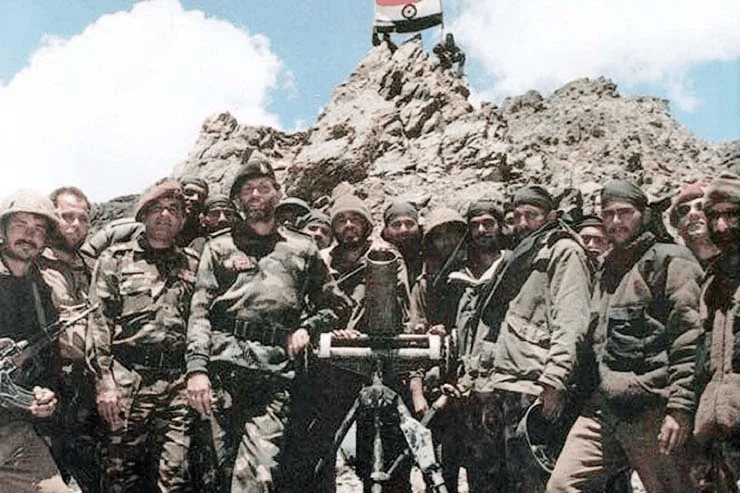
Of all the features contested during the Kargil War, none cost more to take, foot for foot, than Tololing. The peak overlooked National Highway 1 — the single road link to Leh — and as long as it remained in enemy hands, the lifeline of the entire Ladakh sector lay under direct observation and fire.
A wall of rock
The first assaults, mounted in late May 1999, ran straight into a problem no amount of courage could quickly solve: the approach was a near-vertical face, devoid of cover, swept by interlocking machine-gun positions sited on the reverse slope. Attacking companies could close to within metres of the bunkers and still be unable to see them.
It fell to 2 Rajputana Rifles, supported by 18 Grenadiers and 18 Garhwal Rifles, to grind the position down across three weeks of night attacks, artillery preparation and hand-to-hand fighting on the final cliffs.
The turning point
When Tololing finally fell on 13 June 1999, the effect rippled across the whole front. The enemy had lost direct eyes on the highway, and the Indian Army had proven that even the most forbidding of the captured heights could be retaken. Every battle that followed — Tiger Hill, Point 4875, Khalubar — was fought in the confidence that Tololing had bought.